How Often Should You Apply Zintrac 700? Plus an Alternative with AMAZINC 395
Healthy Crops Start with the Right Zinc Schedule
Zinc is one of the most important micronutrients for modern agriculture. Even when nitrogen, phosphorus, and potassium are applied correctly, crops suffering from zinc deficiency often fail to reach their yield potential. Poor root growth, shortened internodes, chlorosis, delayed flowering, and reduced fruit quality are all common symptoms.
Many growers searching for YaraVita Zintrac 700 ask one important question:
How often should Zintrac 700 be applied?
The answer depends on several factors including crop type, growth stage, soil conditions, existing zinc levels, and application method. While Zintrac 700 is a popular liquid zinc fertilizer, growers today are also exploring newer high-concentration Zinc Oxide formulations that provide excellent crop response and operational convenience.
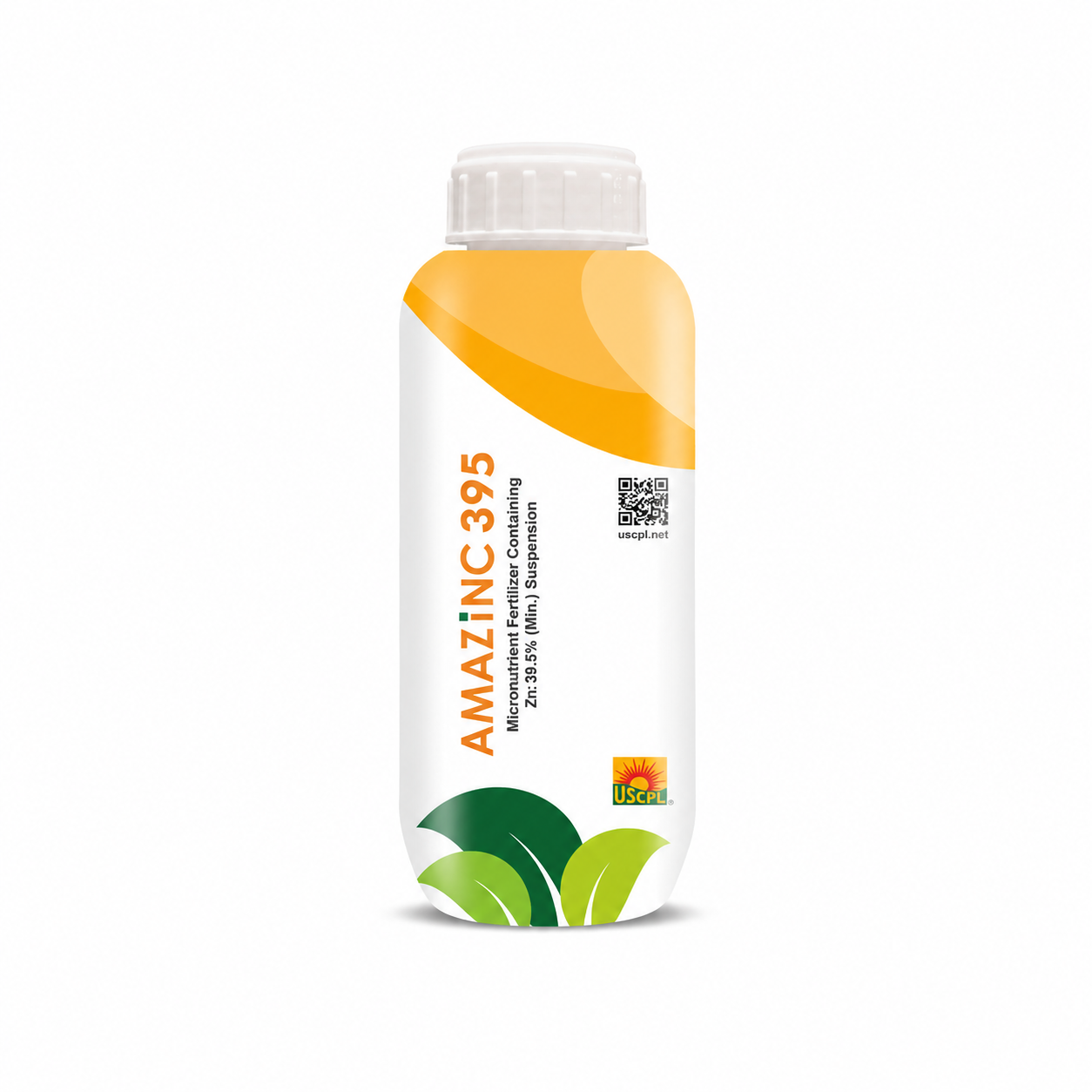
One such product is AMAZINC 395, a premium Zinc Oxide 39.5% SC formulation designed for foliar, drip, and drone applications across multiple crops.
In this guide, we'll explain:
- How often zinc should be applied
- Factors affecting application frequency
- Best crop stages
- Common mistakes growers make
- How AMAZINC 395 compares as a modern alternative
Why Zinc Matters Throughout the Crop Cycle
Unlike macronutrients, zinc is required in smaller quantities but plays a massive role in plant metabolism.
Zinc helps in:
- Auxin production
- Enzyme activation
- Chlorophyll formation
- Protein synthesis
- Root development
- Flower initiation
- Pollen viability
- Fruit setting
- Grain filling
Without sufficient zinc, plants struggle to convert nutrients efficiently into yield.
This is why foliar zinc applications have become a standard recommendation in many high-value crops.
How Often Should You Apply Zintrac 700?
There is no universal application frequency.
Instead, agronomists recommend zinc applications based on:
- Crop
- Soil zinc availability
- Crop stage
- Deficiency severity
- Yield target
Generally, growers follow one of these approaches.
1. Preventive Program
Where soils have moderate zinc availability:
- 1–2 foliar sprays
- Applied during early vegetative growth
- Additional spray before flowering if needed
This is sufficient for many cereal and pulse crops.
2. Corrective Program
If zinc deficiency is already visible:
- Initial corrective spray
- Follow-up spray after 10–15 days
- Continue based on crop response
Visible symptoms include:
- Yellow young leaves
- Short internodes
- Rosetting
- Reduced leaf size
- Slow growth
3. High-Value Crops
Tomato
Capsicum
Cotton
Pomegranate
Grapes
Banana
Chilli
Vegetables
These crops generally benefit from multiple zinc sprays throughout the season.
Typical schedule:
- Early vegetative stage
- Pre-flowering
- Fruit development
The exact interval depends on crop requirement and local recommendations.
Factors That Affect Application Frequency
1. Soil pH
High-pH soils reduce zinc availability.
Even if zinc exists in soil, plants may not absorb enough.
This is common in:
- Calcareous soils
- Alkaline soils
- High-lime soils
Such fields often require repeated foliar zinc applications.
2. Crop Demand
Different crops remove different quantities of zinc.
High-demand crops include:
- Maize
- Cotton
- Sugarcane
- Vegetables
- Citrus
- Grapes
- Onion
These crops often benefit from multiple foliar sprays.
3. Rainfall
Heavy rainfall may:
- Wash nutrients away
- Reduce nutrient availability
- Increase stress
Additional foliar nutrition may be beneficial after prolonged rainfall.
4. Irrigation
Frequent irrigation in alkaline soils may gradually reduce zinc availability.
Monitoring crop response helps determine whether another spray is necessary.
Best Growth Stages for Zinc Application
Regardless of product, zinc works best when applied during active growth.
Early Vegetative Stage
Supports:
- Root growth
- Leaf expansion
- Early vigor
Rapid Vegetative Growth
Improves:
- Photosynthesis
- Stem strength
- Chlorophyll production
Pre-Flowering
Critical for:
- Flower initiation
- Pollen viability
- Better fruit set
Early Fruit Development
Supports:
- Fruit growth
- Better quality
- Uniform development
Can Too Much Zinc Be Harmful?
Yes.
More is not always better.
Excessive zinc applications may:
- Waste money
- Create nutrient imbalance
- Reduce uptake of other micronutrients
- Increase spray costs
Always follow the product label and local agronomic recommendations.
Signs Your Crop May Need Another Zinc Spray
Watch for:
- Pale young leaves
- Stunted plants
- Slow canopy development
- Delayed flowering
- Reduced branching
- Poor fruit setting
- Small fruits
- Low grain filling
Field scouting remains the best guide.
AMAZINC 395 is a premium Liquid Zinc Micronutrient formulated with 39.5% Zinc Oxide SC technology.
It is designed to deliver highly concentrated zinc nutrition with excellent suspension stability and compatibility across modern crop nutrition programs.
Suitable for:
- Foliar application
- Drone spraying
- Drip systems
High Zinc Concentration
Contains:
39.5% Zinc Oxide
Higher concentration means more zinc per application.
Suspension Concentrate (SC) Technology
Modern SC formulations offer:
- Uniform particle suspension
- Easy mixing
- Better spray handling
- Consistent application
Excellent Crop Compatibility
Suitable for:
- Fruits
- Vegetables
- Field crops
- Plantation crops
Multi-Application Flexibility
Can be used through:
- Foliar spray
- Drone application
- Fertigation (where recommended)
This flexibility helps growers integrate zinc nutrition into existing spray programs.
AMAZINC 395 vs YaraVita Zintrac 700
| Feature |
YaraVita Zintrac 700 |
AMAZINC 395 |
| Product Type |
Liquid Zinc Fertilizer |
Zinc Oxide 39.5% SC |
| Zinc Source |
High-analysis liquid zinc |
Zinc Oxide SC |
| Suitable for Foliar Spray |
✔ |
✔ |
| Suitable for Modern Spray Programs |
✔ |
✔ |
| Suspension Technology |
Yes |
Advanced SC Technology |
| High Zinc Concentration |
Yes |
39.5% Zn Oxide |
| Suitable for Multiple Crops |
✔ |
✔ |
| Designed for Foliar Nutrition |
✔ |
✔ |
| Drone Compatibility |
Depends on local recommendations |
Suitable for drone application where recommended |
Advantages of Choosing AMAZINC 395
1. Modern Zinc Oxide 39.5% Technology
Designed for efficient zinc delivery across multiple crop stages.
2. Flexible Spray Scheduling
Growers can integrate AMAZINC 395 into:
- Routine micronutrient programs
- Deficiency correction
- Preventive nutrition plans
3. Suitable for Precision Agriculture
Supports:
- Drone spraying
- High-volume spraying
- Precision farming
4. Better Operational Convenience
High-concentration formulations reduce storage and handling requirements while fitting easily into modern farm operations.
Common Mistakes When Applying Zinc
Spraying Too Late
Applying only after severe deficiency appears often reduces the potential benefit.
Ignoring Soil Conditions
High-pH soils frequently require a proactive zinc management strategy.
Poor Spray Coverage
Uniform leaf coverage improves nutrient absorption.
Mixing Without Compatibility Testing
Always perform a jar test before mixing with unfamiliar agrochemicals.
Applying During Peak Heat
Early morning or late afternoon spraying generally provides better spray retention and reduces evaporation losses.
Crops That Commonly Benefit from Zinc Nutrition
AMAZINC 395 can be incorporated into zinc management programs for crops such as:
- Tomato
- Chilli
- Onion
- Cotton
- Maize
- Wheat
- Rice
- Soybean
- Sugarcane
- Grapes
- Pomegranate
- Citrus
- Banana
- Groundnut
- Pulses
- Vegetables
Frequently Asked Questions
How often should Zintrac 700 be applied?
The frequency depends on crop type, soil conditions, zinc availability, and deficiency severity. Many preventive programs include one or two sprays, while high-value crops may require additional applications during key growth stages.
Is one zinc spray enough?
Not always.
High-demand crops or zinc-deficient soils often require more than one application.
When is the best time to spray zinc?
Early vegetative growth and pre-flowering are generally considered the most important stages.
Can zinc be applied with other fertilizers?
Many liquid zinc products are compatible with several crop protection products and fertilizers, but compatibility should always be verified before tank mixing.
Is AMAZINC 395 suitable for foliar spraying?
Yes.
AMAZINC 395 is designed as a high-performance Liquid Zinc Micronutrient suitable for foliar application and can also fit into modern precision farming practices where appropriate.
Why More Growers Are Exploring Alternatives to Traditional Zinc Products
The demand for High Performance Liquid Fertilizers is growing rapidly. Farmers today are not only looking for effective zinc nutrition but also products that fit seamlessly into precision agriculture, drone spraying, and integrated nutrient management programs.
Products like AMAZINC 395 address these evolving needs with a concentrated Zinc Oxide 39.5% SC formulation, offering flexibility for foliar applications across a wide range of crops. Its formulation supports uniform suspension, ease of handling, and compatibility with modern farming practices, making it an attractive choice for growers seeking efficient zinc nutrition.
Final Thoughts
The answer to "How often should you apply Zintrac 700?" depends on your crop, soil, and production goals. There is no one-size-fits-all schedule. Preventive applications during early growth stages, followed by additional sprays where required, generally provide the best results.
As agriculture moves toward precision nutrition, many growers are evaluating newer solutions like AMAZINC 395. With its Zinc Oxide 39.5% SC formulation, compatibility with foliar and modern application methods, and suitability across diverse crops, AMAZINC 395 offers a practical alternative for maintaining adequate zinc nutrition and supporting healthy crop growth.
Whether you currently use YaraVita Zintrac 700, Omex Zinc, Tradecorp Zinc, or Van Iperen Zinc, reviewing your zinc management program and choosing the right product for your farming conditions can contribute to stronger crop performance, improved nutrient efficiency, and higher yield potential.