Yara Zinc Fertilizer Alternative: Why Growers are Considering AMAZINC 395
Introduction
Modern agriculture demands more than just supplying crops with primary nutrients such as nitrogen, phosphorus, and potassium. Today’s growers understand that micronutrients play an equally important role in maximizing yield, improving crop quality, and ensuring profitable farming operations.
Among all micronutrients, zinc is one of the most commonly deficient elements across agricultural soils worldwide. Zinc deficiency affects a wide range of crops, including cereals, fruits, vegetables, plantation crops, pulses, oilseeds, and cash crops. Even when plants receive adequate NPK nutrition, a shortage of zinc can limit growth, flowering, fruit development, and overall productivity.
Many farmers rely on well-known zinc nutrition products from global brands such as Yara. However, as growers seek greater flexibility, competitive value, and high-performance nutrient solutions, many are now evaluating alternative zinc fertilizers that can meet the nutritional demands of modern farming.
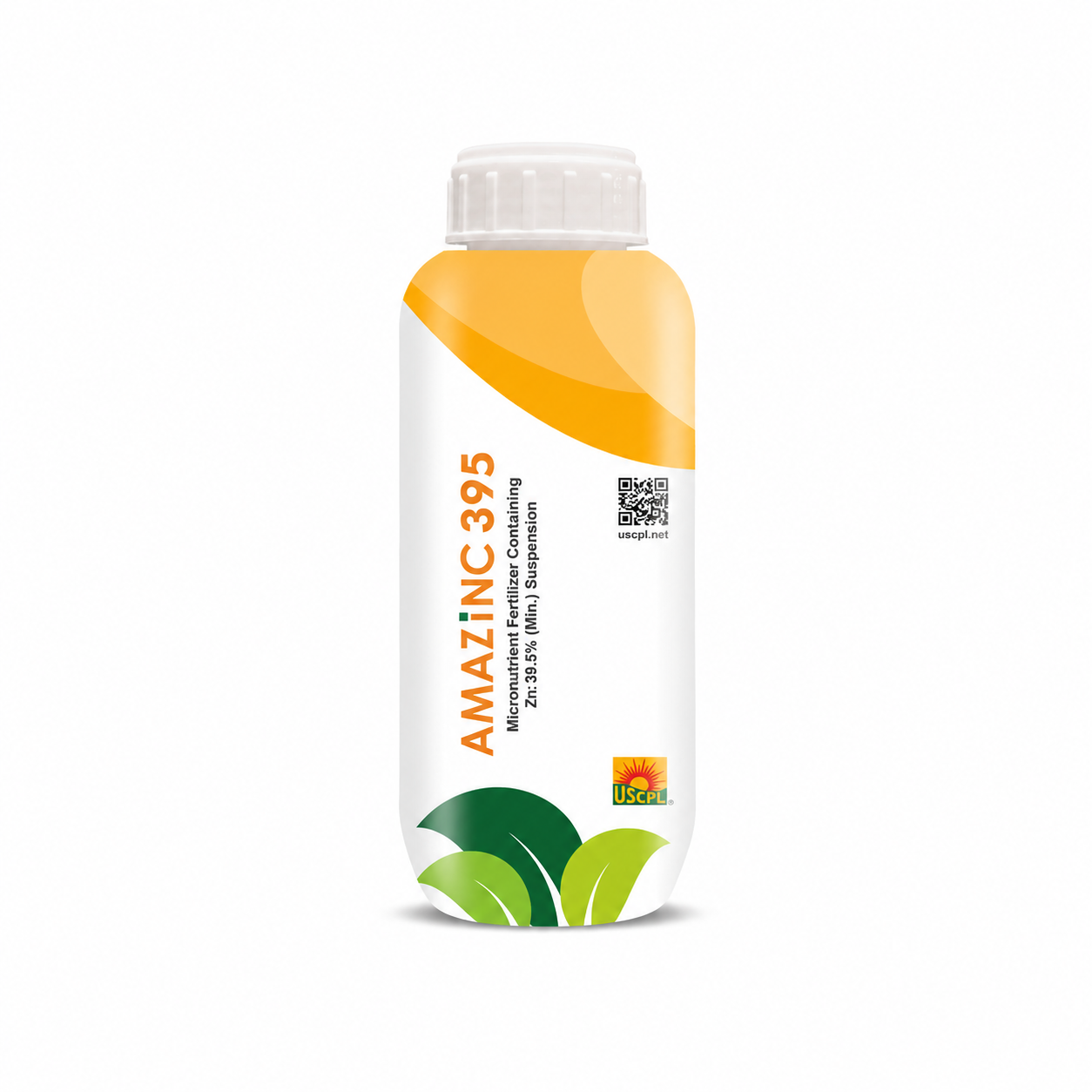
One such solution gaining attention is AMAZINC 395, a highly concentrated zinc suspension fertilizer containing 39.5% Zinc (Zn). Designed for foliar, drip, and drone application, AMAZINC 395 offers a versatile approach to zinc nutrition for a wide range of crops.
In this article, we explore the importance of zinc nutrition, the challenges of zinc deficiency, and why growers are increasingly considering AMAZINC 395 as a Yara zinc fertilizer alternative.
The Importance of Zinc in Plant Nutrition
Zinc is often required in small quantities, but its impact on plant growth is significant. It participates in numerous biochemical and physiological processes that influence crop health and productivity.
Zinc helps regulate enzyme activity, protein synthesis, carbohydrate metabolism, and growth hormone production. It also contributes to chlorophyll formation and photosynthesis, enabling plants to convert sunlight into energy more efficiently.
When zinc levels are adequate, crops generally exhibit:
- Strong vegetative growth
- Better root development
- Improved nutrient utilization
- Enhanced flowering
- Increased fruit setting
- Better crop uniformity
- Improved yield potential
Because zinc influences so many physiological processes, even mild deficiencies can have a measurable impact on crop performance.
Understanding Zinc Deficiency in Crops
Zinc deficiency is one of the most widespread micronutrient disorders in agriculture.
Several factors contribute to zinc deficiency:
High Soil pH
Alkaline soils often reduce zinc availability, making it difficult for roots to absorb the nutrient.
Intensive Farming Practices
Repeated cultivation without adequate micronutrient replenishment can gradually deplete soil zinc reserves.
Excessive Phosphorus Application
High phosphorus levels may interfere with zinc uptake and utilization.
Low Organic Matter
Soils with low organic content often have reduced micronutrient availability.
Environmental Conditions
Cold temperatures, drought stress, and waterlogged conditions may further limit zinc absorption.
Common symptoms include:
- Interveinal chlorosis
- Stunted growth
- Small leaves
- Shortened internodes
- Delayed flowering
- Poor fruit development
- Reduced yields
Addressing zinc deficiency promptly is essential for maintaining healthy crop growth throughout the season.
Why Growers Look Beyond Traditional Zinc Fertilizers
As agriculture becomes more technology-driven, growers increasingly evaluate fertilizers based on several factors:
Nutrient Concentration
Higher nutrient concentration can improve logistics, storage, transportation, and application efficiency.
Application Flexibility
Modern farms use multiple delivery systems including foliar spraying, fertigation, and drone application.
Crop Compatibility
Growers require products that perform consistently across different crop types.
Ease of Handling
Liquid and suspension formulations are often preferred because they simplify mixing and application.
Operational Efficiency
Products that integrate easily into existing farming programs can help reduce labor and application costs.
These considerations have encouraged many growers to explore alternatives that align with modern crop nutrition practices.
AMAZINC 395 is a premium zinc micronutrient fertilizer developed to provide efficient zinc nutrition across a wide range of crops and growing conditions.
The product contains:
Zinc (Zn)
39.50% w/w
Zinc (Zn)
69.12% w/v
This high concentration allows growers to deliver substantial amounts of zinc using relatively low application volumes.
Product Specifications
| Parameter |
Specification |
| Appearance |
White coloured liquid |
| Solubility |
Dispersible in water |
| pH (1% Solution) |
9.5 ± 1 |
| Specific Gravity |
1.75 ± 0.05 gm/ml |
| Zinc (Zn) % w/w |
39.50% |
| Zinc (Zn) % w/v |
69.12% |
Highly Concentrated Zinc Source
One of the most notable features of AMAZINC 395 is its high zinc concentration.
A concentrated formulation allows growers to efficiently supply zinc while reducing storage requirements and handling complexity.
This makes the product particularly attractive for large-scale farming operations.
Water-Dispersible Suspension Technology
AMAZINC 395 is formulated as a water-dispersible suspension concentrate.
This helps ensure:
- Uniform distribution during application
- Easy mixing
- Consistent spray quality
- Improved field operations
The formulation is designed to integrate smoothly into modern nutrient management programs.
Supports Flowering and Fruit Setting
Zinc plays a critical role during reproductive growth stages.
AMAZINC 395 supports physiological processes that influence:
- Flower initiation
- Flower retention
- Pollination efficiency
- Fruit setting
- Fruit development
For many fruit and vegetable crops, these stages directly impact marketable yield and profitability.
Promotes Healthy Physiological Activity
Healthy crops depend on numerous interconnected physiological processes.
Adequate zinc nutrition supports:
- Enzyme activation
- Hormonal balance
- Protein synthesis
- Chlorophyll production
- Energy transfer mechanisms
These processes collectively contribute to vigorous crop growth.
Flexible Application Methods
One of the key reasons growers are considering AMAZINC 395 is its versatility.
Foliar Application
Foliar nutrition allows zinc to be delivered directly through leaf surfaces.
Benefits include:
- Quick nutrient availability
- Efficient deficiency correction
- Targeted nutrient delivery
Recommended Rate:
500–750 ml per hectare
or
200–300 ml per acre
Drip Application
Fertigation continues to gain popularity due to its precision and efficiency.
AMAZINC 395 can be applied through drip irrigation systems, helping distribute zinc directly to the root zone.
Recommended Rate:
1–1.5 litres per hectare
or
400–600 ml per acre
Drone Application
Drone technology is transforming modern agriculture.
AMAZINC 395 is suitable for drone-based nutrient applications, allowing:
- Faster field coverage
- Reduced labor requirements
- Precision agriculture practices
- Timely nutrient delivery
This compatibility makes AMAZINC 395 suitable for progressive farming operations.
Suitable for All Major Crops
AMAZINC 395 is recommended across a wide range of crops, including:
Fruit Crops
- Mango
- Citrus
- Pomegranate
- Grapes
- Banana
- Guava
Vegetable Crops
- Tomato
- Chilli
- Brinjal
- Onion
- Cucumber
- Okra
Field Crops
- Cotton
- Soybean
- Wheat
- Rice
- Maize
- Groundnut
Plantation and Commercial Crops
- Sugarcane
- Tea
- Coffee
- Coconut
Its versatility allows growers to implement a consistent zinc nutrition strategy across diverse farming systems.
When Should AMAZINC 395 Be Applied?
Zinc Deficiency Correction
AMAZINC 395 can be applied whenever zinc deficiency symptoms are observed.
Early intervention often prevents yield losses and helps restore normal plant growth.
Pre-Flowering Stage
Pre-flowering application is particularly important because zinc demand increases during reproductive development.
Supplying zinc before flowering helps support:
- Better flower development
- Improved fruit setting
- Enhanced crop productivity
The Growing Demand for Advanced Zinc Nutrition
Agriculture is rapidly evolving.
Growers today face increasing pressure to:
- Improve yields
- Enhance crop quality
- Optimize input efficiency
- Reduce production costs
- Adopt precision farming practices
As a result, nutrient solutions must offer more than just nutrient content.
They must also provide:
- Flexibility
- Convenience
- Compatibility with modern equipment
- Efficient nutrient delivery
Products like AMAZINC 395 align closely with these requirements.
Why AMAZINC 395 is Gaining Attention Among Growers
Growers evaluating alternatives to established zinc fertilizers often prioritize:
- High zinc concentration
- Ease of application
- Multiple application methods
- Crop versatility
- Deficiency correction capability
- Support for flowering and fruit setting
AMAZINC 395 addresses each of these considerations through its concentrated zinc formulation and flexible application options.
Whether applied through foliar spraying, drip irrigation, or drone technology, it provides growers with multiple pathways for delivering zinc nutrition according to their operational needs.
Conclusion
Zinc remains one of the most important micronutrients for achieving healthy crop growth, improved flowering, successful fruit setting, and higher productivity.
As growers seek efficient nutrient solutions that fit modern farming systems, many are exploring alternatives to traditional zinc fertilizers.
AMAZINC 395 offers a highly concentrated 39.5% zinc formulation, water-dispersible suspension technology, and compatibility with foliar, drip, and drone applications. Its versatility, concentration, and suitability across all major crops make it a compelling option for growers looking to strengthen their zinc nutrition programs.
For farmers searching for a Yara zinc fertilizer alternative, AMAZINC 395 represents a modern approach to delivering zinc nutrition where and when crops need it most.